Septic Services

Benefits of Septic Tank Pumping

When septic tanks are not regularly pumped, solid waste and sludge build up. This contaminates soil and water, posing serious health risks.
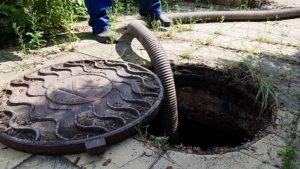
Septic Tank

Septic Tank Pumping Madera removes these materials and keeps them from overflowing into the drain field. This prevents costly repairs and extends the lifespan of the septic system.

Septic tanks are finite and have a limited capacity for solid waste and sludge. Neglecting routine pumping increases the risk of exceeding that limit, which can cause wastewater to back up into homes. This carries disease-causing bacteria and poses health risks. It also damages property, requiring costly repairs and cleaning services. Septic tank pumping reduces the risk of this damage and extends the lifespan of the system, minimizing repair costs and eliminating replacement expenses.

When a septic tank is full, it causes toilets to stop flushing and drains to clog. This creates a messy, unsanitary mess inside the home, which requires immediate emergency services and adds to stress and financial costs. The contaminated water seeps into groundwater and nearby waters, polluting drinking supplies, poisoning ecosystems and hurting wildlife. Correcting this environmental pollution can cost hundreds of thousands of dollars and takes years to accomplish. Septic tank pumping removes sludge before it reaches the drain field, reducing the chance of contamination.

Regular septic tank pumping also reduces the buildup of sludge in the drain field, which can damage pipes and lead to expensive repairs. The regular removal of sludge also prevents the overflow of dirty wastewater, which can contaminate soil, water and air.

A properly functioning septic system is considered a desirable feature for prospective buyers, increasing the resale value of a home. In addition, a homeowner who is conscientious about maintaining a septic system shows responsible homeownership and commitment to the environment.

The frequency of septic tank pumping depends on the size of the tank, household usage and waste disposal habits. A professional technician can assess septic tank requirements and recommend an appropriate schedule. It is a good idea to spread out laundry day rather than washing large loads all at once, which can overload the system and overburden the drain field. In addition, it is important to avoid flushing items that can’t break down in the system, such as paper towels and grease.

The cost of septic tank pumping is often less than the cost of emergency service calls or system failures caused by neglect. By preventing waste accumulation and system failures, septic tank pumping saves homeowners money and stress.

Increased Home Value

In addition to preventing plumbing backups and extending the lifespan of a septic system, routine septic tank pumping can also add value to your home. Potential buyers will see that your septic system is well-maintained and can continue to function as expected. They will also appreciate the peace of mind that comes from knowing that you and your family are protected from environmental contamination.

Septic tank pumping removes accumulated solids and scum that can cause clogs and overflows in the plumbing, septic system, and absorption field. This prevents costly repairs and can protect your property from water damage. Regular septic tank maintenance also helps to reduce unpleasant and unsanitary odors in indoor and outdoor spaces. This is because septic tank odors are a result of the breakdown and accumulation of sewage waste. This type of odor can be very difficult to eliminate once it enters the house. Regular septic tank pumping significantly minimizes odor emissions, making your home an enjoyable place to live.

Performing septic tank pumping regularly is an easy and inexpensive way to keep your septic system functioning properly. It is also an excellent way to prepare your home for a smooth and successful sale, particularly in rural or remote areas where municipal sewer connections are not available.

It is recommended that homeowners perform septic tank pumping every three to five years. A licensed service technician can help you determine the appropriate pumping frequency for your septic system. Besides regular septic tank pumping, other important maintenance practices include avoiding flushing items that should not go into the septic system, such as paper towels, handi-wipes, and grease. If you have a septic tank with a riser, you should raise it to the proper level to allow for easier access for pumping.

Most communities have regulations governing septic tank systems, including inspection and maintenance requirements. Failing to comply with these regulations can lead to fines and legal complications. Local septic tank pumping services are familiar with the area’s regulations and can ensure that your septic system is up to code. This will not only increase your home’s value but also provide peace of mind that you are protecting the environment and your family.

Prevents Environmental Contamination

Septic systems play a vital role in wastewater treatment for homes that are not connected to municipal sewer lines. However, if not properly maintained, these systems can cause environmental contamination. Blocked or failing septic tanks can leak raw sewage into the soil, contaminating groundwater and potentially directly impacting your home’s water quality. Regular septic tank pumping prevents this contamination and extends the lifespan of your septic system.

Your septic system processes wastewater from kitchen sinks, garbage disposals, washing machines, showers, toilets, and more. As these wastes flow through the septic system, they separate into three layers. The top layer, called scum, is composed of oils and fats; the middle layer is wastewater; and the bottom layer is sludge. Over time, the sludge layer can build up and overflow into the drain field, causing blockages and other serious damage to your septic system. Septic tank pumping removes the accumulated sludge to prevent this from happening, so your septic system can keep processing incoming wastewater without any problems.

Foul odors that come up through your sinks and drains are the result of sludge accumulation in the septic tank. When septic tanks are overloaded with waste, they are unable to properly treat wastewater. This can lead to sewage backups, clogged toilets, and expensive repairs. Routine septic tank cleaning and pumping prevents this sludge buildup, eliminating foul odors and protecting your family’s health and hygiene.

A professional septic service provider has the necessary equipment and permits to handle all aspects of septic tank waste management. Attempting to perform this task yourself could result in injury and costly damages. In addition to pumping your septic tank, a professional can also check for signs of a malfunctioning septic system. Signs of a malfunction include slow draining, leaking pipes, or unusual smells. Detecting these issues early on can prevent costly repairs and extend the life of your septic system. This helps you save money and preserves your home’s value.

Saves Money

In addition to reducing the chance of system failure, regular pumping can save homeowners significant sums in repairs and even replacement costs. In fact, many potential buyers will shy away from a property that hasn’t been regularly pumped.

Insufficient septic tank care often leads to foul odors in and around the home. These unpleasant odors are caused by solid wastes, such as toilet paper, hair, and dust that collect in the septic system and create a build-up of sludge. Regular septic tank pumping clears out this waste, eliminating the odors and keeping the system functioning properly.

A septic tank has a finite capacity to hold the solid waste and sludge, and neglecting regular pumping can lead to a full tank and untreated wastewater backing up into your home. Fortunately, regular inspections can help you determine when your tank is full and ready for pumping.

Using your garbage disposal regularly can increase the amount of solid waste in the septic tank, which can cause it to fill up faster and require more frequent pumping. Your water usage can also impact the tank’s efficiency, so minimizing your wasteful habits is a good way to reduce the frequency of pumping.

The cost of septic tank pumping depends on the size of your tank and the number of people in your household, but you should always enlist a professional to inspect and clean your tank to determine its true volume. In addition, a professional can identify and repair minor problems with your septic system before they become major issues, saving you both time and money.

Septic tanks are an excellent option for homeowners who want to avoid municipal sewage services and their associated costs. However, a septic tank still requires routine maintenance to prevent emergency repairs and clogs in your home’s drain fields and septic system. By following these best practices, you can protect your septic system from costly damage and ensure it serves your family for years to come.

Visit our Professional Services Blogs

Chris Atkins Lawncare, Atticus Landscaping, Treasure Coast Pressure Wash, Gulf Beach Plumbing, Marlborough Plumbing, Guns And Hoses Pressure Washing, Ambrose Construction, Coral Gables Pressure Washing, Willco Photography, Roofing Akron, Danalogsdon Roofing El Cajon, EC Siding Roofing Windows, Aurora Gutter, American Insurance Source, ECO, etdn, Denison Service League,  Roofing Blog, Atlantic Vinyl Windows, Brookshires Fireplaces, JD Advanced Remodeling, Product Judgment, Master Dry Foundation Repair, Moe’s Hip, Elta Patio Paramount, Rock Around The Clock Festival, Learn, Play, Beyond, MoralesT Gardening, Car Window Tinting Perth, Duncan Carpentry, Gatestone Lighting, Mid Missouri Mold Inspections, Stucco Repair Albuquerque, Wausau Siding Hire, Munster Tree Care, Blue Granite Homes, Custom House, CENTRAL OS, Atlanta Pavers, Phillips Law Firm, Brent Ryder MasonryWalker Construction Drywall Division, RJ Law, Caledon Plumbing, DDS Tech USA, Maine Mortgage Services, Inckpen, Seasons at Rose Creek, Cottonwood Place Dental, Cosmetic Laser 2000 

Carpet Cleaning

Top Stain Removal Techniques Used by Professional Carpet Cleaning Services

Carpets are a central element of any home or commercial space, adding warmth, comfort, and style to interiors. However, they are also highly susceptible to stains and spills from food, beverages, pets, and everyday wear and tear. While routine vacuuming and surface cleaning help maintain a carpet’s appearance, stubborn stains often require professional attention. Professional Carpet Cleaning Orem services utilize specialized techniques and equipment to remove a wide variety of stains safely and effectively, restoring carpets to their original condition. Understanding these methods not only highlights the value of hiring experts but also provides insights that property owners can use to prevent damage and extend the life of their carpets.

carpet cleaning

One of the most common challenges in carpet maintenance is the diversity of stains. Different substances—such as coffee, wine, ink, pet urine, or grease—interact with carpet fibers in unique ways. Some stains may penetrate deeply, becoming embedded within the fibers, while others may spread across the surface, affecting larger areas. Attempting to remove stains without proper knowledge can cause further damage, including discoloration, fiber weakening, or spreading the stain. Professional carpet cleaners are trained to assess the type of stain, the carpet material, and the extent of contamination to determine the most effective treatment method.

One widely used method for stain removal is hot water extraction, often referred to as steam cleaning. This technique involves injecting heated water and a specialized cleaning solution into the carpet fibers under high pressure, followed by immediate extraction using powerful vacuums. Hot water extraction is highly effective for removing deep-seated dirt, grime, and many common stains, including coffee, juice, and mud. It not only lifts contaminants from the surface but also reaches embedded particles, ensuring a thorough clean. In addition, the high temperature of the water can help kill bacteria and neutralize odors, creating a cleaner and healthier environment.

Another key technique employed by professionals is dry carpet cleaning, which is particularly useful for delicate fibers that cannot tolerate excessive moisture. This method involves applying a minimal-moisture cleaning compound or powder to the carpet, which binds with dirt and stains. The compound is then agitated into the fibers using specialized brushes and subsequently vacuumed out. Dry cleaning allows carpets to be cleaned quickly with minimal downtime, making it a popular choice for commercial spaces or high-traffic areas where prolonged drying times are impractical.

Encapsulation cleaning is another professional method gaining popularity for its efficiency and effectiveness. Encapsulation uses synthetic detergents that crystallize dirt and debris into dry residues as they dry. Once the solution has set, the encapsulated particles are vacuumed away, leaving the carpet clean and fresh. This technique is especially effective for high-traffic commercial areas where dirt accumulates rapidly, and frequent cleaning is required. Encapsulation also reduces the need for repeated wet cleaning, helping maintain carpet integrity and extending its lifespan.

For particularly stubborn or specific stains, professionals may use targeted chemical treatments. These treatments are formulated to break down the chemical or organic components of a stain without harming the carpet fibers. For instance, enzymatic cleaners are commonly used to address protein-based stains, such as pet urine or blood, as they break down organic matter at a molecular level. Solvent-based cleaners are effective for grease, oil, or ink stains, dissolving the substances for easy removal. Professional technicians carefully select the appropriate chemical agent based on the carpet type, stain composition, and safety considerations, ensuring optimal results without damaging the material.

Spot cleaning and blotting techniques are fundamental components of professional stain removal. Unlike simple rubbing, which can spread a stain or damage fibers, trained technicians use blotting methods to lift the stain carefully. They often work from the outer edge of a stain toward the center to prevent spreading. Additionally, professionals use controlled pressure and absorbent materials to extract moisture and contaminants efficiently. This meticulous approach ensures the maximum amount of stain is removed while preserving the texture and appearance of the carpet.

Enumerating the primary professional stain removal techniques highlights their advantages:

  1. Hot Water Extraction (Steam Cleaning) – Removes deep-seated dirt and stains while sanitizing fibers.
  2. Dry Carpet Cleaning – Uses minimal moisture for delicate carpets, allowing quick use after cleaning.
  3. Encapsulation Cleaning – Efficient for high-traffic areas, reducing repeat cleaning and preserving carpet life.
  4. Targeted Chemical Treatments – Addresses stubborn stains like grease, pet accidents, and ink safely.
  5. Spot Cleaning and Blotting – Removes localized stains without spreading or damaging fibers.

Odor control often accompanies stain removal in professional carpet cleaning. Many stains, particularly from food, beverages, or pets, are associated with unpleasant smells that linger even after visible cleanup. Professional cleaners use deodorizing solutions, enzyme-based treatments, and air extraction methods to eliminate odors at the source. This ensures that carpets not only look clean but also contribute to a fresher and healthier indoor environment. Odor control is especially important in commercial spaces where impressions and indoor air quality can impact clients, employees, and visitors.

Advanced equipment is another distinguishing factor in professional carpet cleaning. Industrial-grade machines provide higher suction, more precise agitation, and controlled application of cleaning solutions compared to consumer-grade or rented equipment. High-powered vacuums, rotary brushes, and air movers enable technicians to reach deep into carpet fibers and pad layers, ensuring thorough cleaning. Additionally, professionals can monitor moisture levels during and after cleaning to prevent over-wetting, which can lead to mold growth or shrinkage. This level of precision is difficult to achieve with DIY methods and ensures a safe and effective process.

Prevention is also a key focus for professionals. Alongside cleaning and stain removal, many services offer protective treatments, such as carpet sealants or anti-stain coatings. These treatments create a barrier on the fiber surface, making future spills easier to clean and reducing the likelihood of permanent stains. Protective coatings are particularly beneficial in high-traffic residential areas, commercial lobbies, or spaces where carpets are exposed to food, drink, or pets. By investing in professional stain removal and protection, property owners can extend the life of their carpets and reduce the frequency of deep cleaning interventions.

Professional carpet cleaning also emphasizes safety and environmental responsibility. Technicians are trained to handle chemical cleaners appropriately, ensuring safe application and disposal. Many services now use eco-friendly or low-VOC cleaning solutions that minimize environmental impact while maintaining effectiveness. This is particularly important in homes with children or pets, as well as in workplaces seeking to meet green building or sustainability standards. Using environmentally conscious methods helps reduce potential health hazards and aligns carpet maintenance with modern sustainability goals.

Another important consideration is the time and efficiency that professionals provide. DIY stain removal can be labor-intensive, often requiring multiple attempts, specialized equipment, and knowledge of proper chemical usage. For large areas or extensive stains, this process can become overwhelming and time-consuming. Professional cleaners, with their experience, equipment, and technical knowledge, can complete complex stain removal tasks quickly and thoroughly. This efficiency reduces inconvenience for homeowners and minimizes downtime in commercial spaces, allowing carpets to return to regular use faster.

Carpet type and fiber composition play a significant role in determining the appropriate stain removal method. Wool, nylon, polyester, and blends each have different tolerances for moisture, heat, and chemical agents. Professionals assess the carpet material before beginning treatment, selecting techniques that maximize effectiveness while preserving texture, color, and durability. For delicate or antique carpets, specialized methods may be employed to avoid damage, demonstrating the importance of expert knowledge in stain management.

Combining routine maintenance with professional stain removal is the most effective strategy for carpet longevity. Regular vacuuming, prompt attention to spills, and periodic professional deep cleaning work together to preserve appearance and prevent long-term damage. Property owners who integrate preventive practices with professional interventions benefit from carpets that look clean, feel fresh, and last longer, ultimately saving money on replacements and maintaining a high-quality indoor environment.

In conclusion, professional carpet cleaning services employ a wide range of stain removal techniques designed to address both common and stubborn contaminants. From hot water extraction and dry cleaning to encapsulation, chemical treatments, and precise spot cleaning, these methods restore carpets efficiently and safely. Professional stain removal not only improves appearance but also enhances indoor air quality, eliminates odors, and preserves the integrity of fibers. Protective treatments and eco-friendly practices further extend the value of professional services, ensuring that carpets remain functional and attractive for years.

For homeowners and property managers alike, understanding the techniques used by professional carpet cleaners underscores the value of expertise. While DIY methods can manage routine maintenance and minor stains, professional services provide comprehensive solutions for deep-seated, difficult, or extensive stains. By investing in professional stain removal, property owners safeguard their carpet investment, maintain a clean and healthy environment, and enjoy carpets that look and feel their best.

Ultimately, the combination of advanced equipment, technical knowledge, and specialized cleaning methods makes professional carpet cleaning the most effective choice for managing stains. From everyday spills to complex contaminants, these services restore carpets efficiently, safely, and thoroughly. Property owners seeking long-term carpet care and a healthier indoor environment will benefit from understanding and utilizing the top stain removal techniques offered by professional cleaners, ensuring both aesthetic appeal and functional durability.