Selecting the right fabrication shop is one of the most important decisions when planning a project that involves metalwork. Whether the goal is to create structural components, custom gates, architectural features, or specialized equipment, the fabrication partner you choose directly influences quality, durability, and the overall success of the outcome. In recent years, many designers, builders, and property owners have shifted their focus toward Local Fabrication Shops. This growing preference is not only about convenience; it reflects a deeper appreciation for craftsmanship, communication, and long-term reliability. Understanding how to choose the right local fabrication shop can help ensure that your project moves smoothly from concept to completion.
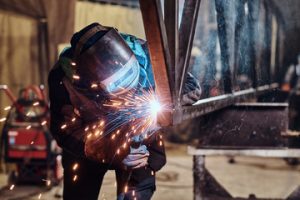
Local fabrication shops often offer a more personalized experience compared to larger, distant operations. Working with a nearby team allows for direct communication, quicker feedback, and a collaborative approach that strengthens the design process. When fabricators are accessible, clients can discuss ideas, review materials, and refine details in real time. This level of interaction reduces misunderstandings and creates opportunities to address challenges before they become costly setbacks. In a field where precision matters, the ability to communicate clearly and consistently plays a major role in achieving the desired results.
One of the strongest advantages of choosing local fabrication shops is the opportunity to witness craftsmanship firsthand. Fabrication is both a technical and artistic process, and seeing examples of completed work can provide valuable insight into a shop’s capabilities. Observing welding quality, finishing techniques, and attention to detail helps establish confidence in the fabricator’s skill level. Local shops often rely heavily on reputation within their communities, which encourages them to maintain high standards and deliver consistent results. This focus on quality ensures that projects are not only functional but also visually refined.
Another key benefit of working with local fabricators is flexibility. Projects rarely remain static from start to finish; design adjustments, material changes, and timeline shifts are common. A nearby fabrication shop can adapt more easily to these changes, offering faster turnaround times and more responsive support. This adaptability becomes especially important when projects involve custom elements that require ongoing collaboration. Rather than waiting for updates from distant providers, clients can engage directly with local teams to make decisions efficiently and keep projects moving forward.
Cost considerations also play a role in the decision-making process. While pricing varies depending on complexity and materials, choosing a local fabrication shop can sometimes reduce transportation expenses and logistical challenges. Shipping large metal components over long distances can increase costs and introduce delays. Local fabrication minimizes these risks by keeping production and delivery within closer reach. Additionally, working with nearby professionals allows clients to better understand how costs are structured, creating greater transparency throughout the project.
When evaluating potential fabrication shops, it is important to consider several essential factors that influence both quality and reliability:
- Experience and Specialization: A fabrication shop with a proven track record in similar projects is more likely to understand the technical requirements and deliver consistent results.
- Equipment and Technology: Modern tools and advanced machinery enable fabricators to achieve precise cuts, clean welds, and refined finishes that enhance both performance and aesthetics.
- Communication and Collaboration: A team that listens carefully and offers thoughtful feedback can help refine ideas and improve the final outcome.
These considerations help narrow down options and ensure that the chosen fabrication partner aligns with the goals of the project.
Another important aspect of selecting local fabrication shops is understanding the materials they work with and the services they provide. Some shops specialize in heavy structural fabrication, while others focus on decorative or custom metalwork. Identifying a shop’s strengths helps ensure that the project benefits from the right expertise. It is also helpful to ask about finishing options such as powder coating, polishing, or protective treatments. These finishing processes not only enhance appearance but also extend the lifespan of fabricated components by protecting them from environmental wear.
Trust plays a significant role in successful collaborations with fabrication shops. Local fabricators often build relationships through consistent service and word-of-mouth recommendations, which can provide valuable insight into their reliability. Clients may find reassurance in working with a team that values long-term connections rather than one-time transactions. Establishing trust encourages open communication, making it easier to discuss timelines, budgets, and design adjustments without unnecessary stress.
In addition to technical skill, creativity is an essential quality to look for in a fabrication partner. Metal fabrication is not limited to structural work; it also includes artistic elements that enhance the character of a space. Skilled fabricators understand how to translate design concepts into practical solutions, balancing aesthetics with functionality. A shop that demonstrates creativity and problem-solving ability can help transform ideas into distinctive features that elevate the overall design.
Sustainability has become an increasingly important consideration when choosing fabrication services. Local fabrication shops may offer advantages in this area by reducing transportation-related emissions and supporting environmentally conscious practices. Many fabricators strive to minimize material waste by optimizing cutting processes and recycling excess metal whenever possible. Choosing a shop that values sustainability aligns with broader design goals that prioritize durability and responsible resource management.
To further evaluate a fabrication shop, clients can focus on the following practical steps:
- Review Past Projects: Examining completed work provides insight into craftsmanship, design versatility, and attention to detail.
- Discuss Timelines Clearly: Understanding production schedules and delivery expectations helps prevent delays and ensures smoother project management.
- Request Detailed Proposals: Clear breakdowns of materials, labor, and finishing processes create transparency and reduce the risk of unexpected costs.
These steps help establish a strong foundation for collaboration and ensure that expectations are aligned from the beginning.
The role of local fabrication shops extends beyond production; they often act as valuable advisors throughout the design process. Their experience with materials and structural requirements allows them to suggest improvements that enhance performance or simplify construction. This guidance can lead to more efficient designs that maintain visual appeal while reducing unnecessary complexity. By involving fabricators early in the planning phase, clients gain access to practical insights that improve both form and function.
Another advantage of choosing local fabricators is the opportunity to build lasting partnerships. As projects evolve over time, having a trusted fabrication shop nearby makes future upgrades or repairs more convenient. Long-term relationships foster familiarity with design preferences and technical requirements, making subsequent collaborations more efficient. This continuity benefits both clients and fabricators, creating a shared understanding that streamlines future projects.
Modern design trends continue to influence the demand for custom metalwork, and local fabrication shops play a key role in bringing these ideas to life. Whether creating sleek architectural accents or durable structural elements, fabricators contribute to spaces that reflect individuality and innovation. Their ability to adapt to changing design preferences ensures that fabricated metal remains relevant in a constantly evolving industry.
Despite the many advantages of local fabrication shops, it is important to approach the selection process thoughtfully. Not all shops offer the same level of expertise or resources, and taking the time to research options can make a significant difference. Asking detailed questions, reviewing portfolios, and discussing expectations openly help identify a fabrication partner that aligns with both creative vision and practical needs.
In conclusion, choosing local fabrication shops is about more than proximity; it is about building a collaborative relationship that supports quality, efficiency, and creative expression. Local fabricators offer personalized service, faster communication, and a deep commitment to craftsmanship that enhances the success of any project. By carefully evaluating experience, technology, communication, and sustainability practices, clients can select a fabrication partner that transforms ideas into lasting results. As the demand for custom metalwork continues to grow, local fabrication shops remain essential contributors to modern design, quietly shaping spaces through precision, artistry, and a dedication to excellence.