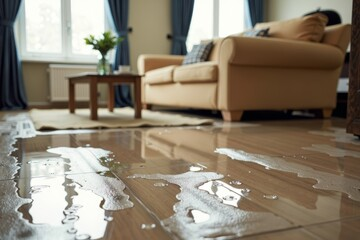
Water damage may seem scary, especially when you spot cracks in your foundation or a sinking basement floor. But these issues aren’t as severe as they appear.
Water damage starts when soil gets soaked and expands. This causes hydrostatic pressure to push against foundation walls, weakening their load-bearing capacity. Avoid these problems by keeping gutters clean, adding extensions to downspouts and adjusting yard grading so it slopes away from your house. Visit Our Website for more details.
Cracks in the Walls
Although foundations protect homes from shifting soil and other natural changes, they aren’t impenetrable. Water-related damage can cause major issues with a foundation that require advanced repair techniques to resolve.
Homeowners should always monitor their home for signs of structural problems, including cracks in walls and ceilings. The timing and severity of these problems can vary based on the type of home, construction quality, and foundation and soil conditions. For example, small hairline cracks are a common occurrence in newer homes during the first year. These are caused by a combination of factors, such as the expansion and contraction of building materials from changes in moisture content. However, horizontal or diagonal cracks that appear wider than 5 millimeters may indicate foundation movement or stress on structural supports. This requires an immediate evaluation by a professional to determine the best course of action for the foundation.
During heavy rains or floods, excess water soaks into the soil surrounding the foundation. Over time, this creates hydrostatic pressure against the walls. This pressure can push against and crack the foundation, creating leaks and deteriorating support structures.
The amount of water that is needed to create this type of pressure can vary by region and soil composition. Clay-rich soils retain and expand when saturated with water, while sandy soils absorb and drain quickly. This is why proper drainage is important to prevent flooding and soil saturation around the foundation.
A homeowner can improve their home’s drainage by making simple modifications, such as ensuring gutters and downspouts are properly working to channel water away from the house. They can also install drainage systems like French drains or swales to divert water flow, as well as make sure landscaping is designed in a way that doesn’t cause excessive runoff and soak near the foundation. If the foundation has already been affected by water intrusion, a professional can evaluate and recommend the most appropriate repair techniques, such as using push or helical piers to stabilize and lift sunken concrete slab foundations. They can also perform advanced excavation and underpinning to restore the original position of the foundation.
Sagging Floors or Ceilings
Yes, water damage to a home’s foundation can lead to sagging floors or ceilings. This is usually a sign that floor joists have become rotted or warped due to prolonged exposure to moisture. The joists may also be weakened by mold growth, causing the structural support to fail. Over time, this causes the flooring and ceilings to sag, which can cause serious safety issues for any family living in the home.
Water-induced foundation issues typically stem from poor drainage or long-term water accumulation around the house’s structure. Heavy rainfalls or snowmelt can overwhelm drainage systems, saturating soil and creating hydrostatic pressure against foundation walls. These factors can be compounded by soil conditions that expand when wet and shrink when dry, putting additional stress on foundations. Basement and crawl space foundations are particularly vulnerable to these forces, as they have more surface area exposed to groundwater.
If you suspect a problem, look for signs of water damage in the interior of your home, including cracked or leaning walls, uneven floors, and doors that jam or don’t close properly. Addressing these problems early is crucial to avoid more costly repairs later.
Proper landscaping, waterproofing solutions, and regular inspections can protect your foundation against water damage. Keep gutters and downspouts clear to prevent overflowing, and ensure that the soil slopes away from the foundation. Installing drainage systems like French drains or swales can help with water management, too. And be sure to choose plants and mulch that don’t clog or retain moisture near the foundation. Finally, a professional waterproofing solution combined with soil stabilization helps to permanently protect your home from flooding and water intrusion.
Discolored Interior Walls
The foundations of basement and crawl space homes are particularly prone to water damage, whether it’s from active infiltration or past issues that haven’t been repaired. This type of damage can also lead to health hazards from mold and mildew.
Hidden leaks can quietly weaken wood that supports or is part of the foundation and erode soil around it, which can cause shifts in the structure’s weight and bowing. Unaddressed problems like these can exacerbate issues with the foundation and result in serious damage to your home’s value and integrity.
Heavy rain and rapid snowmelt can overwhelm gutters and drainage systems, causing water to pool around foundations. This saturates the soil and creates hydrostatic pressure that can force against foundation walls, resulting in cracking and sinking. Having the proper gutter system and grading to divert rainwater away from the foundation and into downspouts can help prevent these issues.
Concrete is porous, allowing water to penetrate the structure and accumulate in the ground around the foundation. This can cause hydrostatic pressure to build up against the foundation, resulting in cracked walls and discolored interior surfaces. This can also lead to crumbling, a process where the concrete breaks down and deteriorates faster than the surrounding soil.
Diagonal cracking that looks like stair-steps or straight lines in drywall or brick are often indicators of movement or shifting in the foundation. This can be caused by moisture that is eroding the soil around the foundation or it may be due to a change in the chemical or mineral composition of the concrete. For instance, the iron sulfides in a poured concrete foundation can change to expansive iron sulfates when exposed to oxygen and water.
Staining on the exterior of your foundation is another indicator that water is penetrating the concrete. It typically shows up as dark brown stains and can indicate that the concrete has become saturated with dirt or minerals. This type of staining can also indicate the presence of leaking pipes that need to be repaired or replaced.
Drywall is a common material in both residential and commercial construction. However, the porous surface can allow for moisture penetration that leads to mold growth and unsightly discoloration of the interior walls or ceilings. Identifying and promptly addressing mold on drywall can avoid costly and hazardous repairs later on.
Mold Growth
Mold grows in the same way that some plants reproduce, by releasing tiny spores into the air. These spores then land on damp surfaces and begin to grow. The conditions that promote mold growth include a food source, moisture and warmth. The growth of molds can damage building materials, degrade indoor air quality and irritate the respiratory systems of residents with allergies or asthma.
While molds can grow on a wide range of items, the growth of molds in homes and other buildings is most often related to water or moisture problems. The majority of molds require considerable moisture to grow, and the fungi need an environment where their moisture levels are at or above what is known as their “water activity.” The water activity of a material is a measurement of the material’s moisture content that is at or above its equilibrium level in a given temperature.
In some cases, water accumulation near the foundation can create significant pressure that leads to cracking or shifting of the foundation. This can be the result of a sudden event, like a heavy rain or flood, or it may happen gradually over time. If the water is due to poor drainage, such as clogged gutters or downspouts that cause rainwater to pool around the foundation and soak the soil, it can place excessive pressure on the walls of the foundation.
When a foundation is compromised by excessive moisture, there are several signs that can signal a need for professional help. Uneven floors, sticking doors and slight gaps in window frames are all indicators that a homeowner’s foundation should be evaluated by an experienced team of experts, such as Helicon. Detecting and addressing water damage to the foundation early can prevent serious structural problems that require costly repairs. Contact Helicon for a thorough evaluation, customized repair solutions and peace of mind.